LAB FURNITURES
“Durable lab furnitures for safe, efficient, and organized scientific workspaces.“
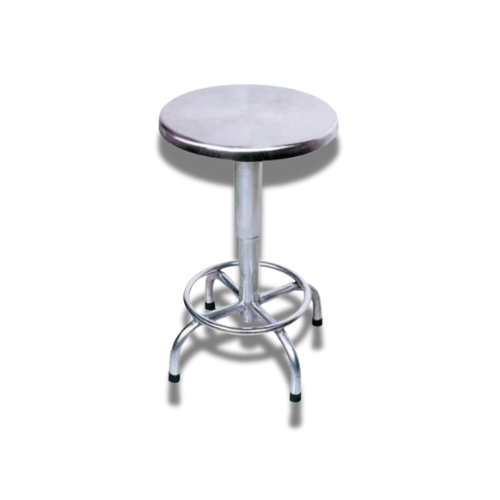
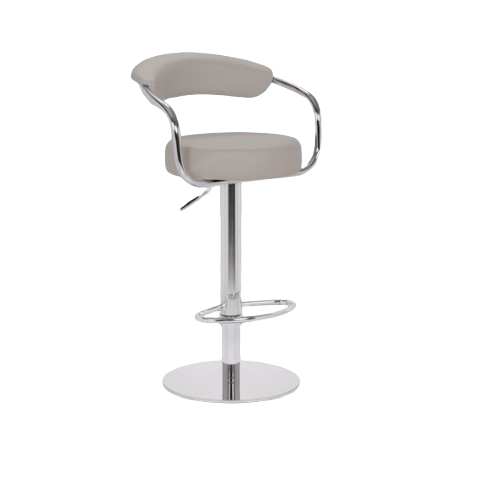
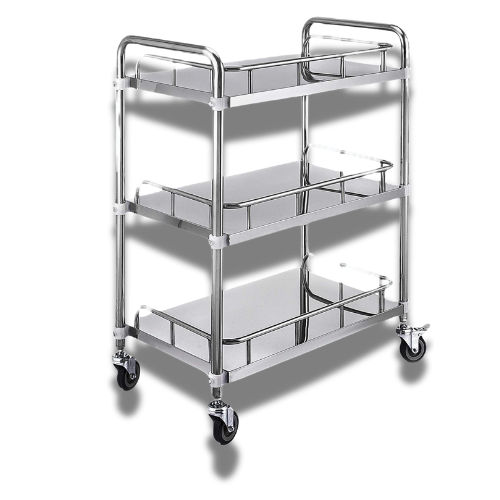
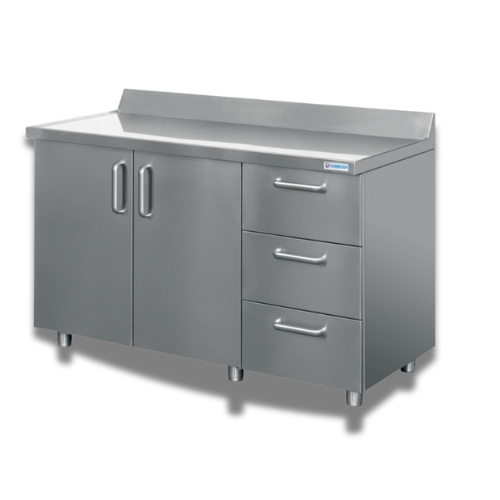
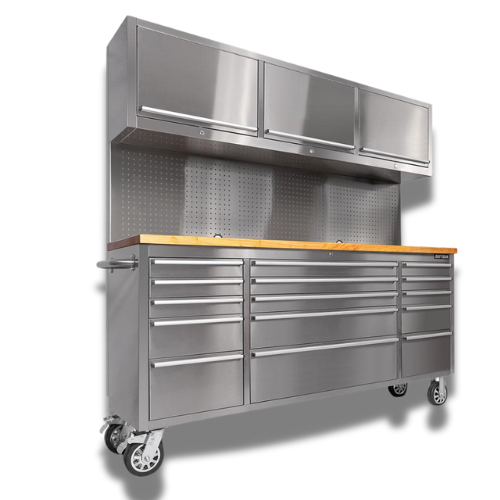
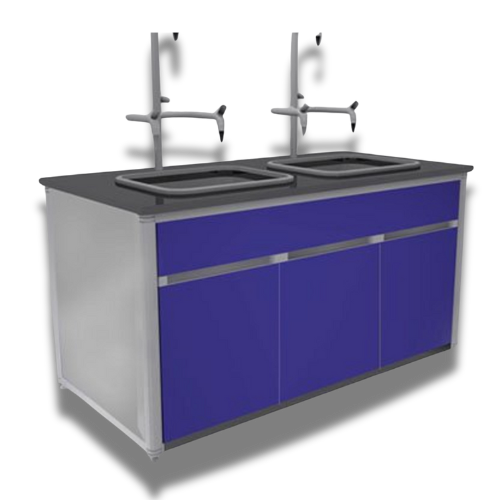
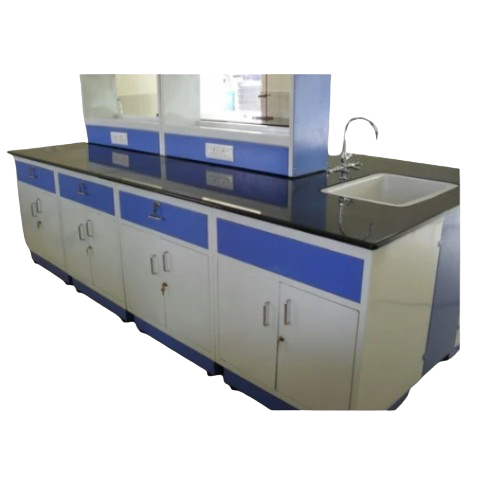
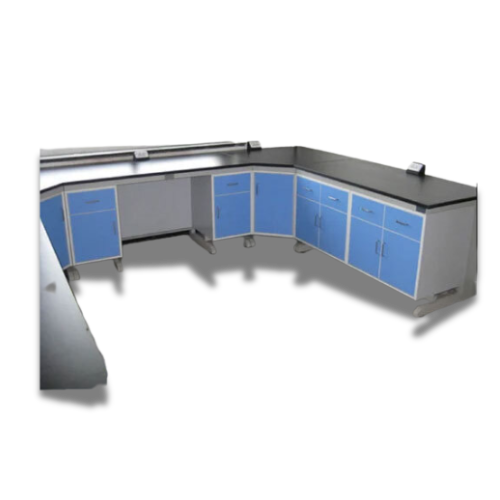
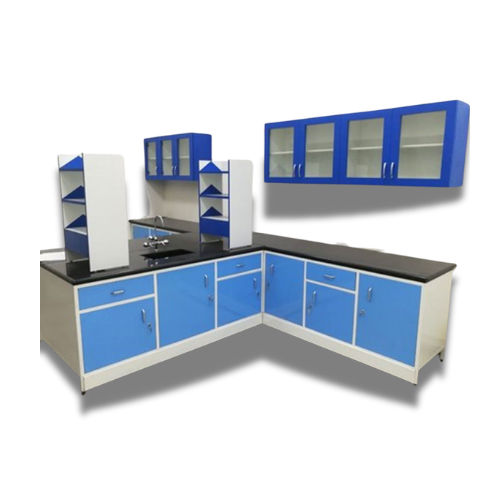
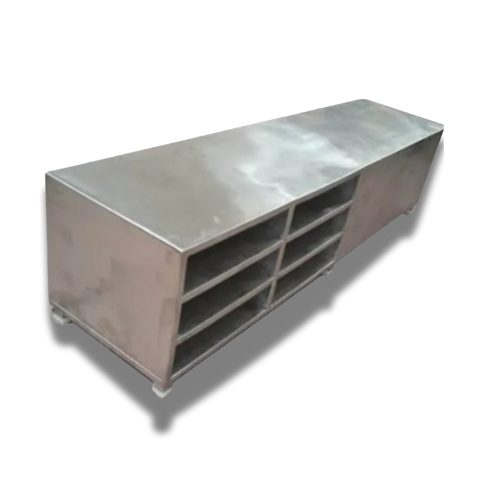
Laboratory furniture is specially designed to provide a safe, durable, and efficient working environment for scientific research, experiments, and testing. These furnishings are constructed from high-quality, chemical-resistant, and corrosion-proof materials to withstand rigorous laboratory conditions. Common types of lab furniture include workbenches, laboratory tables, fume hoods, storage cabinets, shelving units, and stools or chairs.
Key features of lab furniture:
- Durability: Made from materials like stainless steel, epoxy resin, or phenolic resin to resist chemicals, heat, and moisture.
- Ergonomics: Designed for comfort and productivity during long hours of work, with adjustable heights and seating options.
- Safety: Includes features like chemical-resistant surfaces, anti-slip designs, and proper ventilation provisions.
- Storage Efficiency: Cabinets and shelving provide organized storage for chemicals, instruments, and lab equipment.
- Modularity: Many lab furniture systems are modular, allowing for flexible layouts and easy reconfiguration as lab requirements change.
Laboratory furniture also plays a crucial role in maintaining cleanliness and contamination control. Smooth, non-porous surfaces are easy to clean and disinfect, making them suitable for sensitive environments such as microbiology, pharmaceutical, and healthcare laboratories. The design often incorporates minimal joints and crevices to prevent the accumulation of dust, chemicals, or biological contaminants.
In high-performance laboratory environments, furniture is designed to support heavy equipment and precision instruments without vibration or instability. Reinforced structures and load-bearing designs ensure that sensitive experiments are not affected by external disturbances, thereby improving accuracy and reliability.